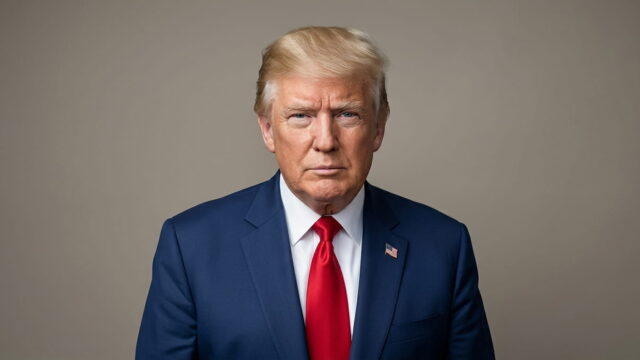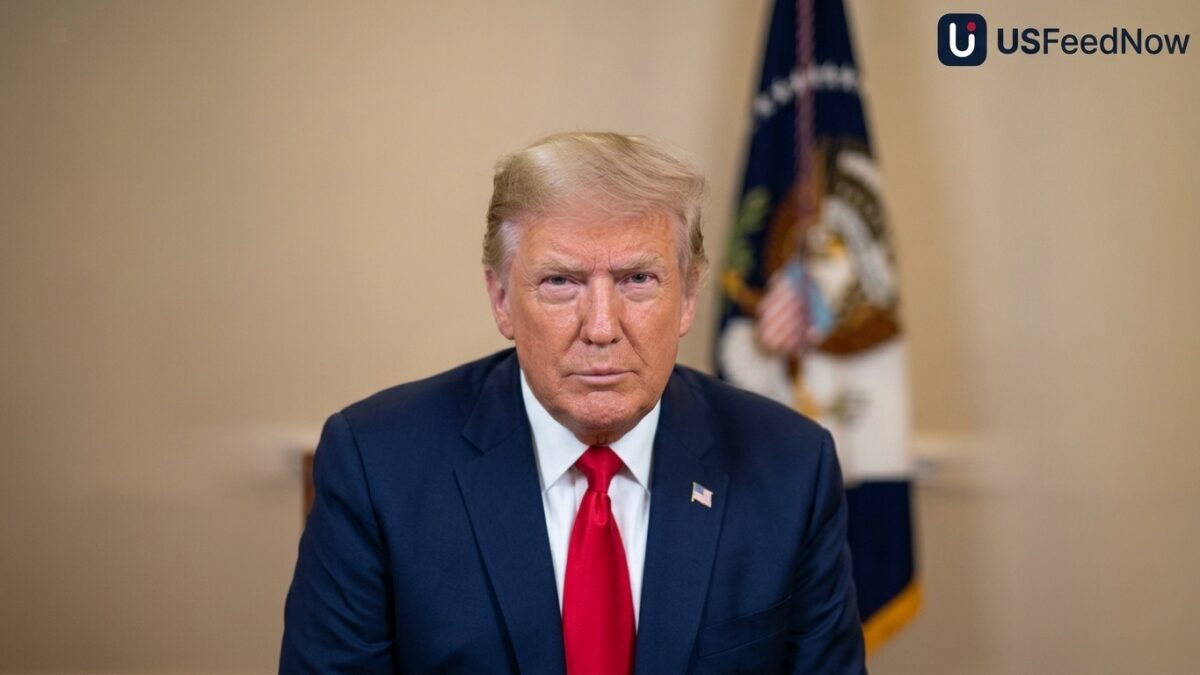
WASHINGTON — A series of high-profile television advertisements promoting President Donald Trump and carrying the official disclaimer “Paid for by the U.S. Government” has sparked intense debate on Capitol Hill and among legal scholars. Airing during major broadcasts, including NFL football games and national news programs, the commercials feature cinematic footage of the president alongside themes from his past political campaigns.
The ad blitz has raised critical legal and ethical questions: Are Trump’s US government funded ads illegal, or do they fall within the executive branch’s statutory authority to issue public service announcements?
While the White House defends the spots as patriotic public education, government ethics groups, watchdog organizations, and lawmakers from both political parties have criticized the expenditures as an improper use of federal funds.
What the Taxpayer-Funded Ads Show
The controversial ad campaign includes several distinct television spots that cost over $1.2 million in federal funds within their first week of airing:
- The “Final Battle” Spot: A 30-second black-and-white video featuring Trump walking down a hallway while audio plays of him railing against “the deep state,” “globalists,” and “Marxists.” Watchdogs noted that the spot is almost identical to a commercial released by Trump’s 2024 presidential campaign, with the key difference being the updated disclaimer stating it was paid for by the U.S. government rather than a campaign committee.
- The “Love Me” Montage: A commercial set to music displaying images of Trump interspersed with policy highlights, such as tax cuts and manufacturing initiatives.
- Mount Rushmore Tribute: A one-minute ad showcasing national landmarks and excerpts from presidential speeches.
The ads aired heavily ahead of the upcoming midterm elections, prompting immediate scrutiny over whether executive power is being deployed for political promotion.
The Core Legal Questions: Propaganda Statutes and the Hatch Act
To evaluate whether the ads cross legal boundaries, ethics experts point to two primary federal statutes governing government communications and federal personnel.
1. Statutory Ban on Government Propaganda and Self-Aggrandizement
Federal law does not explicitly define the term “propaganda” in a single criminal statute, but Congress routinely includes strict anti-propaganda provisions in annual appropriations bills. Under guidelines established by the U.S. Government Accountability Office (GAO), federal agencies are prohibited from spending appropriated funds on three specific categories:
- Self-aggrandizement: Communications designed solely to elevate the public stature of an official rather than inform the public about a government service or policy.
- Covert propaganda: Materials produced by the government that conceal their true origin.
- Purely partisan materials: Communications designed to aid or harm a political party or candidate.
Legal experts contend that because the ads do not direct citizens toward a specific government agency, benefit program, or emergency resource, they risk classification as impermissible self-aggrandizement.
“By paying for the ads with government funds, the administration faces severe scrutiny under government-wide prohibitions on using federal dollars for publicity or propaganda,” noted legal scholars reviewing the buys.
2. The Hatch Act Enforcement Limits
The Hatch Act of 1939 restricts executive branch civilian employees from engaging in political activity while acting in their official capacity.
However, applying the Hatch Act to this situation presents complex legal nuances:
- Presidential Exemption: The President and Vice President are explicitly exempt from the Hatch Act’s restrictions.
- Subordinate Involvement: Non-profit advocacy groups, such as Public Citizen, have filed formal complaints with the U.S. Office of Special Counsel (OSC) and the GAO, arguing that career or appointed federal officials who facilitated, approved, or purchased the ad time may have committed Hatch Act violations.
The White House Defense: Precedent and Public Education
The White House has firmly rejected allegations of wrongdoing, classifying the broadcasts as official public service announcements (PSAs) intended to foster national pride and communicate policy achievements.
In official statements, administration officials emphasized that:
- The President is not on the ballot in the midterms.
- The commercials contain no explicit call to action or voting instructions.
- Previous presidential administrations—including those of George W. Bush, Barack Obama, and Joe Biden—frequently used government-funded advertising to promote federal initiatives.
“When prior administrations utilized the airwaves, it was called ‘public education,’” the White House stated in response to criticism. “When this administration promotes pride in our country, critics call it propaganda.”
Bipartisan Pushback on Capitol Hill
Despite executive branch defenses, the ad buy drew notable criticism from lawmakers across the political spectrum.
- Republican Concerns: Several GOP lawmakers questioned the appropriateness of using taxpayer dollars for self-promotional spots. Sen. John Kennedy (R-LA) stated that public officials should not spend public money on private advertising. Sen. Thom Tillis (R-NC) and Rep. Thomas Massie (R-KY) similarly raised concerns over using Treasury funds for high-production political messaging.
- Democratic Complaints: Congressional Democrats and government ethics watchdogs characterized the campaign as an improper diversion of public resources to support political narratives ahead of congressional elections.
Conclusion: What Happens Next?
Determining whether the ads are illegal ultimately rests with federal oversight bodies like the Government Accountability Office and the Office of Special Counsel. While the GAO can issue legal opinions on whether an expenditure violated federal appropriations laws, enforcement relies heavily on congressional oversight and internal agency adherence.
As oversight complaints proceed, the controversy highlights long-standing gaps between political promotion, official government communications, and federal ethics laws.
Key Takeaways:
- President Donald Trump’s administration released government-funded television ads carrying official “Paid for by the U.S. Government” disclaimers.
- Watchdog groups filed complaints with the GAO and Office of Special Counsel, alleging violations of federal anti-propaganda laws and the Hatch Act.
- The White House defends the spots as lawful public service announcements and notes the President is exempt from Hatch Act restrictions.
- The ad campaign has drawn bipartisan criticism from both Republican and Democratic lawmakers regarding the proper use of taxpayer funds.
Sources & References:
- TIME Magazine: Trump’s Taxpayer-Funded Ads Draw Bipartisan Criticism (Published Sept. 28, 2026)
- Public Citizen: Taxpayer-Funded Trump Ad Violates the Hatch Act (Published Sept. 25, 2026)
- Poynter / PolitiFact: Trump’s taxpayer-funded ads look like campaign spots. Are they legal? (Published Sept. 29, 2026)