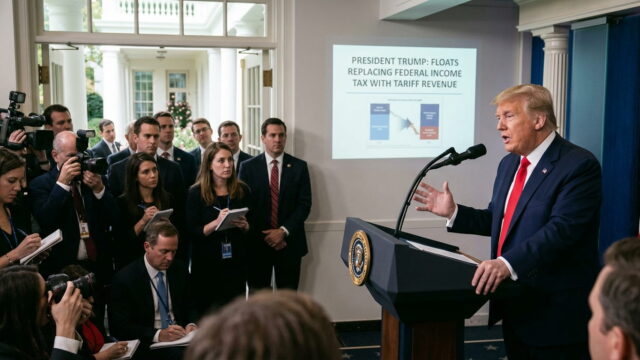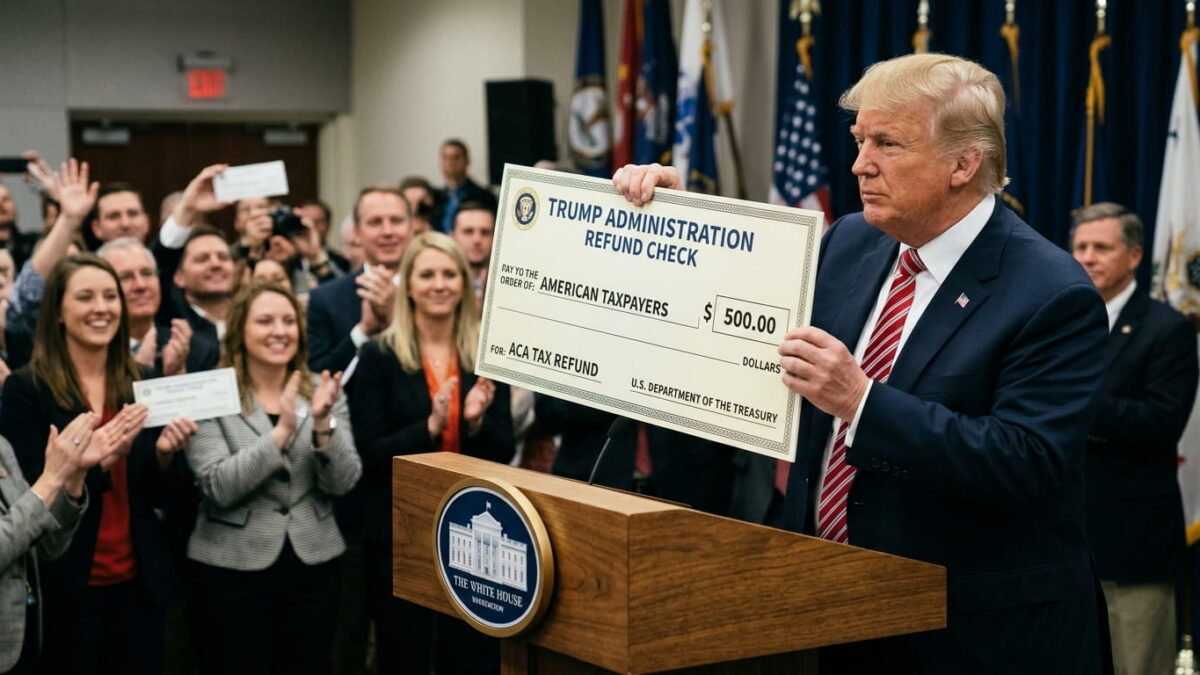
The Trump administration has officially begun issuing one-time $500 refund checks to roughly 950,000 Americans enrolled in health plans under the Affordable Care Act (ACA). The direct payments, distributed by the U.S. Department of the Treasury, target specific policyholders across 30 states that utilize the federal HealthCare.gov marketplace exchange.
According to officials, the funds stem from an accumulation of surplus user fees collected from health insurance providers participating in the federal exchange. The administration asserts that these fees, which are ultimately factored into consumer premium costs, were overcollected during previous years.
Key Facts at a Glance
- Refund Amount: $500 per qualified individual (households with multiple eligible enrollees may receive multiple checks).
- Recipient Count: Approximately 950,000 enrollees nationwide.
- Eligible States: 30 states operating via the federal HealthCare.gov platform.
- Primary Requirement: Unsubsidized ACA market enrollees who paid full monthly premium costs.
- Application Process: Automatic; no sign-up or claim submission is required.
Who Qualifies for the Refund?
The primary recipients are marketplace consumers earning above 400% of the federal poverty level—roughly $63,000 annually for an individual or $129,000 for a family of four—who bought coverage via HealthCare.gov without federal tax credit subsidies. Officials noted that a limited number of policyholders earning between 100% and 400% of the poverty line who did not receive premium assistance will also qualify.
Because the funds derive specifically from federal exchange user fees, residents in the 20 states (and Washington, D.C.) that run their own state-based health insurance exchanges are excluded from the distribution. The largest concentration of check recipients is in Texas and Florida, where over 260,000 combined individuals are slated to receive payments.
The Mechanism Behind the Refunds
The Centers for Medicare & Medicaid Services (CMS) levies user fees on health insurance issuers operating within the federal marketplace to finance platform operations, outreach, and administrative infrastructure. The administration states that excessive fee reserves built up under the prior administration resulted in unnecessarily high premium pricing for consumers paying out-of-pocket without federal subsidies.
In a signed letter accompanying the checks, President Donald Trump framed the refunds as returning excess taxpayer-adjacent collections back to consumers who shouldered the full burden of rising premiums.
Industry and Analytical Perspective
Health policy experts and consumer advocacy organizations have weighed in on the move. While recipient policyholders welcome immediate relief against elevated healthcare expenses, analysts at nonpartisan research groups note that surplus user fee allocations are relatively complex. Some health economists point out that returning user fee surpluses addresses short-term individual expenses, but broader structural market dynamics—such as underlying medical inflation and subsidy thresholds—remain central to long-term health plan affordability.
What Happens Next
Payments are being sent automatically via paper check or direct deposit based on existing records maintained by CMS and the Internal Revenue Service (IRS). Enrollees do not need to fill out forms, confirm banking information over the phone, or pay any administrative fees to access the funds. Federal agencies warn consumers to remain vigilant against phishing scams requesting private financial data in exchange for “expedited” refund checks.